Light Bulb Flower SVG Cut File Floral Review
As someone who has spent years navigating the intersection of digital design and physical stitching, I often find that the most promising files are not always the ones with the highest stitch counts or the most complex paths. Sometimes, it is the simple concept executed with clean lines that truly elevates a handmade product. Today, I am evaluating the Light Bulb Flower SVG Cut File Floral, a graphic asset that sits at the crossroads of Crafts and Graphics categories. My goal is to look past the marketing copy and determine how this specific design performs when translated from a screen to a needle and thread in a real-world commercial setting.
The First Impression: Concept and Visual Personality
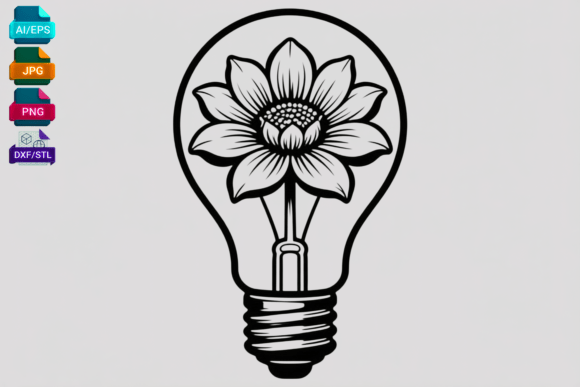
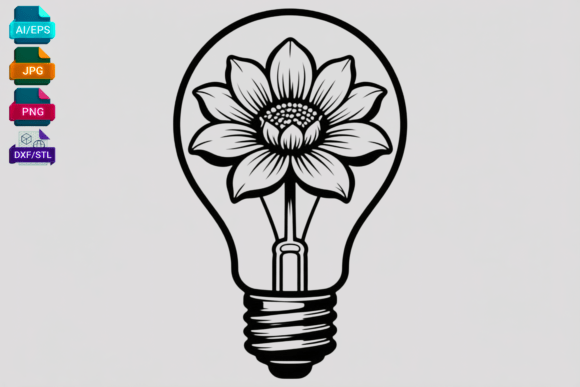
When you first open the file for Light Bulb Flower SVG Cut File Floral, the immediate feeling is one of clever juxtaposition. The fusion of an industrial object—the light bulb—with the organic softness of floral elements creates a mood that is both whimsical and grounded. It feels less like a generic clipart image and more like a piece of art that has been carefully curated for a specific aesthetic. For a designer looking to create a brand identity, this kind of visual personality is gold. It suggests innovation meeting nature, which is a narrative that resonates deeply with modern consumers.
The layout appears balanced, avoiding the cluttered look that plagues many low-quality cut files. The curves of the flower petals likely flow naturally into the glass envelope of the bulb, creating a seamless silhouette. This visual coherence is critical because it dictates how the design will behave during the digitization process. A design that looks good on paper but falls apart when converted to stitch commands is a liability. From a purely artistic standpoint, this file promises a finished product that feels intentional rather than accidental.
Real-World Application: The Boutique Tote Bag Scenario
To truly test the viability of this design, I need to imagine it in action. Let us say I am preparing a custom embroidered tote bag for a local boutique that specializes in sustainable living and eco-friendly home goods. The client wants something that screams "bright ideas" without being too literal. Here, Light Bulb Flower SVG Cut File Floral becomes the perfect candidate.
Imagine stitching this onto a sturdy canvas tote. The contrast between the textured fabric and the smooth, flowing lines of the embroidery would be striking. If we use a golden-yellow thread for the filament inside the bulb and soft sage greens for the leaves, the design pops against the neutral background. It transforms a basic utility item into a statement piece. Customers walking through a craft fair or browsing an Etsy shop would pause. They would see the creativity and immediately associate the brand with thoughtful, high-quality design. This is exactly the kind of "finished product" that drives sales and builds customer trust.
This same logic applies to other merchandise. Think about a sweatshirt for a creative agency's holiday party, where the design could serve as a subtle chest logo. Or perhaps a baby onesie for a nursery collection, where the gentle floral curves soften the industrial shape of the bulb. The versatility here is what makes it a valuable asset for any small business owner or Etsy seller looking to expand their catalog without compromising on style.
Technical Considerations and Stitch Execution
However, enthusiasm must be tempered with technical reality. When converting a vector file like Light Bulb Flower SVG Cut File Floral into a machine embroidery design, several factors come into play. The transition from a flat SVG to a 3D stitched object requires careful attention to stitch density and underlay placement. If the fill stitches are too dense, the fabric might pucker, especially if the design is placed on a thin cotton or a stretchy knit fabric. Conversely, if the density is too low, the design may lack definition, making the intricate details of the flower petals disappear into the weave.
I would advise testing this design on scrap fabric before committing to a final garment. Pay close attention to how the satin stitch handles the curved edges of the bulb. Curved surfaces, such as caps or hats, present a unique challenge. While the design might look stunning on a flat pillow cover or a kitchen towel, applying it to a curved surface requires precise hooping and potentially adjusting the angle of the stitches to prevent distortion. For products that need frequent washing, like aprons or baby clothes, the stability of the stitches is paramount. You want to ensure that the design holds up over time without fraying or losing its shape.
Where Caution Is Required
There are specific scenarios where this design might struggle. Small hoop sizes can be tricky; if the design contains fine details or tiny lettering, shrinking it down too much can result in a muddy, indistinct mess. In these cases, the delicate nature of the floral elements might get lost. Similarly, working with dark fabrics requires a decision on whether to use a heavy underlay or a contrasting color scheme that might alter the original mood of the file. If the background fabric is too textured, the clean lines of the light bulb might get obscured, reducing the professional appeal of the final piece.
Furthermore, while the file is described as suitable for cutting and cleaning, the actual performance depends heavily on the digitization choices made by the user. If you are using this as a base for an applique design, the layering of materials adds another variable. The interaction between the stabilizer, the thread colors, and the fabric texture can make or break the project. Always verify the recommended hoop size and confirm whether the design works well for both personal projects and commercial embroidery ventures. Licensing terms should also be reviewed to ensure you have the right to sell finished items created with this file.
Impact on Brand Value and Customer Perception
In the world of handmade goods, the difference between a mass-produced item and a boutique product often lies in the details. A well-executed Light Bulb Flower SVG Cut File Floral design signals to the buyer that the maker cares about quality. It enhances the perceived value of the item, allowing for a higher price point and fostering brand consistency. When customers receive a personalized gift or a custom apparel item that features a cohesive, well-stitched design, they are more likely to leave positive reviews and return for future purchases.
For digital product sellers, this file serves as a robust design asset. Creating printable mockups with this design can help visualize potential products, giving buyers a clear idea of what they are purchasing. Whether you are designing a patch, a tea towel, or a holiday decoration, the clarity of the lines ensures that the digital preview matches the physical reality. This transparency builds credibility and reduces the likelihood of returns due to unmet expectations.
Final Verdict for Designers
The Light Bulb Flower SVG Cut File Floral stands out as a versatile and visually appealing option for designers, crafters, and entrepreneurs. Its blend of industrial and natural motifs offers a unique storytelling opportunity that can elevate standard crafts into premium products. However, success relies on the user's ability to adapt the design to the specific constraints of their chosen medium. By testing on various fabrics, managing stitch density, and respecting the limitations of small hoops and textured materials, you can unlock the full potential of this file.
If you are looking to add a touch of creativity to your embroidery project list, this design is worth exploring. Just remember to check the specific file formats provided—SVG and EPS—and ensure you have the necessary tools to convert them effectively. With the right approach, this file can become a staple in your arsenal of design assets, helping you create memorable, high-quality finished products that stand out in a crowded marketplace.