Mandala Easter Egg Floral: A Designer's Real-World Review
As someone who has spent years stitching, selling, and critiquing digital assets for the handmade market, I approach every new file with a mix of excitement and skepticism. You never know if a design will translate beautifully from a screen to fabric until it actually hits the hoop. Today, I am evaluating Mandala Easter Egg Floral, a graphic that promises intricate details suitable for home decor and apparel. My goal is not just to tell you what this file looks like, but to explain how it performs when you are under pressure, trying to meet a deadline for a boutique order or crafting a personalized gift.
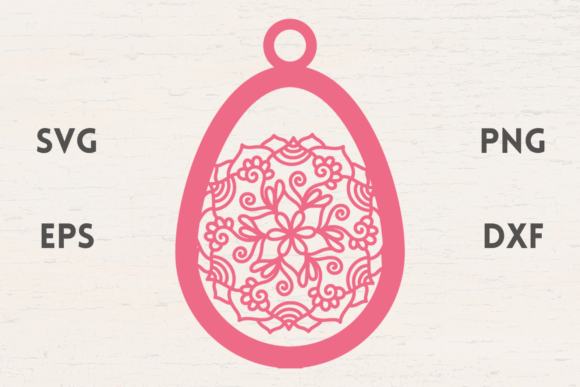
The first impression of Mandala Easter Egg Floral is one of delicate complexity. It blends the geometric precision of a mandala with the organic flow of floral elements. Unlike many generic holiday designs that rely on simple clip-art shapes, this piece feels curated. It carries a mood that is both festive and sophisticated, making it perfect for an audience that wants to celebrate Easter without looking kitschy. For designers targeting high-end craft fairs or Etsy shops focused on modern farmhouse aesthetics, this design offers a visual personality that stands out against standard pastel themes.
Real-World Application: The Custom Tote Bag Challenge
Let's imagine a specific scenario to test the viability of this design. You have a client who wants a custom embroidered tote bag for their spring bridal shower. They want something unique that guests can use as a party favor. You select Mandala Easter Egg Floral as the centerpiece. How does it hold up?
On a canvas tote, the layout works exceptionally well. The circular nature of the mandala creates a natural focal point in the center of the bag. Because the design features detailed floral accents, it adds texture and depth that plain satin stitch borders cannot achieve. When stitched, the contrast between the flowing petals and the structured mandala lines gives the finished product a professional look that customers immediately recognize as "handmade." It elevates a simple canvas item into a boutique-quality accessory.
I also considered using this design on a sweatshirt for a family matching set. Here, the balance shifts slightly. While the floral details are lovely, the density of the mandala requires careful planning. If your machine stitches too densely, the fabric might pucker, especially on heavier cotton fleece. However, if you adjust the stabilizer correctly, the design holds its shape beautifully, creating a soft, textured pattern that looks great on a chest pocket or centered on the back.
Navigating Stitch Density and Fabric Texture
One of the most critical aspects of any embroidery project is understanding how stitch density interacts with your material. Mandala Easter Egg Floral contains a significant amount of detail. This means it relies heavily on fill stitches to create solid areas and running stitches for finer lines. When working with this file, you must be mindful of the fabric texture you choose.
For best results, stable fabrics like twill, denim, or tightly woven cotton are ideal. These materials provide enough support for the intricate details to remain crisp. If you attempt to stitch this on a stretchy jersey knit without proper backing, the fine floral details may distort or disappear into the fabric weave. Similarly, textured fabrics like bouclé or heavy chenille can hide the small nuances of the mandala, turning a detailed design into a muddy blob. In those cases, the visual appeal drops significantly, and the customer may feel the product lacks value.
Conversely, on smooth, light-colored fabrics, the design shines. The contrast allows the floral details to pop, ensuring that the viewer can appreciate the craftsmanship. This is why Mandala Easter Egg Floral is such a strong candidate for tea towels, pillow covers, and nursery decor where the background is usually clean and uniform.
Where to Exercise Caution
While this design is versatile, there are specific scenarios where it requires extra attention or should be avoided entirely. Small hoop sizes present a significant challenge. If you try to fit the entire mandala into a 4x4 inch area, the individual floral elements will become indistinguishable. The result will be a loss of definition, and the design will look cluttered rather than detailed.
Additionally, curved surfaces like caps and hats demand a different approach. The curvature of a cap can stretch the fabric, causing the symmetrical mandala to warp. Unless you have a specialized cap frame and extensive experience adjusting tension, I would recommend sticking to flat items like aprons, patches, or kitchen towels for this specific design. Dark fabrics also require consideration; if you do not use a high-quality underlay or top stabilizer, the colors may bleed into each other, reducing the clarity of the floral details.
Impact on Brand Consistency and Customer Trust
For small business owners and Etsy sellers, every stitch counts toward your brand reputation. A poorly executed design can lead to returns and negative reviews, while a well-executed one builds loyalty. Mandala Easter Egg Floral, when stitched correctly, signals professionalism. It shows that you care about the intricacies of your work.
Customers buying handmade products are often looking for uniqueness. This design provides that by combining traditional mandala symmetry with seasonal florals. It creates a sense of exclusivity that mass-produced items lack. When you offer a personalized gift featuring this motif, the recipient notices the effort put into the design. This emotional connection increases the perceived value of your finished product, allowing you to price your items competitively based on quality rather than just labor hours.
In terms of commercial embroidery projects, this design serves as a versatile asset. Whether you are creating wedding gifts, holiday decorations, or boutique branding, the mandala theme fits seamlessly into various contexts. It is not limited to just Easter; the floral aspect makes it suitable for spring weddings or baby showers year-round.
Essential Notes for the Embroidery Designer
Before you commit to a full production run, there are practical steps you must take to ensure success. First, always test the design on scrap fabric that matches your final project material. This helps you gauge how the thread colors interact with the fabric and whether the stitch density causes any puckering.
Review the stitch density settings in your software. If the design feels too dense for your chosen fabric, consider splitting the layers or reducing the fill percentage slightly to maintain fabric integrity. Confirm your hoop size early on; ensure the design fits comfortably within your machine's capabilities without requiring excessive trimming. Inspect small details closely, particularly where the mandala meets the floral edges, to ensure no lines are lost during digitizing.
It is also wise to test the design in black and white mockups before purchasing physical materials. This helps visualize the contrast and ensures the design remains legible regardless of the color palette you choose. Finally, verify your licensing terms. If you plan to sell finished items made with Mandala Easter Egg Floral, confirm that your purchase includes commercial rights. Using a personal license for a business project can lead to legal issues down the line.
By treating this file as a tool for creativity rather than just a quick download, you can unlock its full potential. Whether you are a hobbyist looking to make a special gift or a seasoned pro expanding your product line, Mandala Easter Egg Floral offers a solid foundation for a successful embroidery project. Just remember that the magic lies in the execution—take the time to prep, test, and refine, and you will have a finished product that truly impresses.