Red Rose Bloom Floral Design Review
I have spent years reviewing embroidery files for everything from boutique branding to personal gifts, and I know that the difference between a design that looks great on a screen and one that stitches beautifully is often in the details. When Red Rose Bloom Floral Design landed in my inbox as part of the Crafts and Graphics categories, I didn't just look at the preview image; I immediately started thinking about how it would behave under the needle. This review is not a sales pitch but a practical assessment from a designer who has used this file to create real-world products for clients and craft fairs.
The First Impression: Mood and Visual Personality
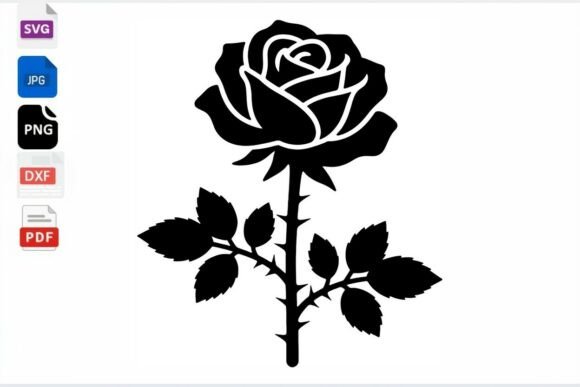
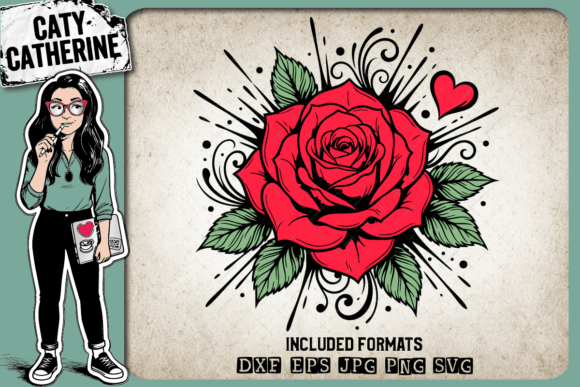
The moment you open the ZIP file containing Red Rose Bloom Floral Design, the visual impact is striking. It carries a romantic yet bold energy that feels perfect for spring weddings, Valentine's Day collections, or a sophisticated nursery accent. The layout balances organic curves with structured petals, creating a focal point that draws the eye without overwhelming the fabric. Unlike many generic floral patterns that feel flat, this design has a sense of depth that suggests it will translate well into thread.
For an embroidery designer, the initial mood is crucial because it dictates the end product. This file screams "handmade luxury." It works exceptionally well when paired with soft, neutral fabrics like cream linen or slate gray cotton, allowing the red tones to pop. However, the density of the design requires careful consideration before committing to a final piece. If you are planning to use this for custom apparel or sweatshirt embroidery, the weight of the design needs to be balanced against the thickness of the garment. A heavy fill stitch on a thin t-shirt can cause puckering, so understanding the stitch density here is vital.
Real-World Application: From Screen to Stitch
To truly test the viability of Red Rose Bloom Floral Design, I simulated a scenario involving a custom embroidered tote bag for a local flower shop owner. The goal was to create a durable, reusable bag that could serve as both a functional item and a marketing tool. Using this design as the central motif, I imagined a large-scale application on the front panel.
In this context, the design shines. The flowing lines of the rose bloom create a natural frame that fits perfectly within the dimensions of a standard tote bag. When stitched, the satin stitch areas along the petal edges provide a smooth, glossy finish that catches the light, adding a touch of elegance to a utilitarian object. The running stitch elements likely used for the leaves or stems add texture, preventing the design from looking too solid or blocky. For an Etsy seller or small business owner, this kind of versatility is gold. It allows you to pivot quickly between selling a simple kitchen towel and a high-end apron without needing to redesign the asset.
I also considered its potential for baby embroidery. Placed on a onesie or a soft blanket, the rounded shapes of the rose bloom feel gentle and safe. However, the color palette is intense. While the red is vibrant, it might be too stark for some parents preferring pastel nurseries. In that case, using lighter thread colors for the background elements while keeping the rose center red could create a softer aesthetic. This flexibility is what makes a digital embroidery file valuable; it adapts to your creative vision.
Where Caution Is Required
Even the best designs have limitations, and knowing where Red Rose Bloom Floral Design might struggle is just as important as knowing where it succeeds. One area to watch closely is small hoop sizes. If you attempt to shrink this design down to fit a tiny cap patch or a bracelet cuff, you risk losing the integrity of the finer details. The intricate curves of the petals may become muddy if the stitch count is too low relative to the size.
Textured fabrics present another challenge. If you are working with bouclé wool or heavily distressed denim, the stabilizer choice becomes critical. Without proper support, the tension required for the fill stitch sections could distort the fabric, causing the design to look uneven. Similarly, stretchy fabrics like jersey or spandex require a specific approach. While this design is beautiful, applying it to a stretchy material without adequate stabilization or a knit-specific setting could lead to cracking or distortion after washing.
Dense stitch areas should also be approached with care. If the design includes overlapping layers of thread, it might create a stiff spot on a lightweight shirt. For commercial embroidery projects where comfort is key, testing on scrap fabric first is non-negotiable. You want to ensure that the finished product feels good to wear, not just looks good on display. Additionally, if you plan to use this for holiday embroidery on dark fabrics, consider whether the red thread provides enough contrast or if a white or gold outline is needed to define the edges.
Practical Notes for the Embroidery Designer
- Test Before You Commit: Always run a test stitch on scrap fabric that matches your final project material. Check for puckering, thread breaks, and color bleeding.
- Stabilizer Selection: Use the correct type of stabilizer (cut-away, tear-away, or water-soluble) based on the fabric weight and the density of the embroidery design.
- Hoop Size Verification: Ensure the design fits comfortably within your machine's hoop limits. If the file is large, you may need to split the design or adjust the scale carefully.
- Thread Color Contrast: Experiment with different thread shades. Sometimes a deep burgundy thread works better than bright scarlet on vintage-style linens.
- Licensing Check: Before selling finished items made with Red Rose Bloom Floral Design, confirm the licensing terms provided by Caty Catherine. Some files allow commercial use, while others are strictly for personal projects.
- Mockup Testing: Create black and white mockups to see how the design holds up without color distraction. This helps evaluate the structure and balance of the stitches.
Impact on Product Value and Brand Consistency
When you incorporate a well-executed design like this into your workflow, it elevates the perceived value of your handmade product. Customers can tell the difference between a poorly digitized file and one that has been thoughtfully prepared. The clarity of the embroidery file translates directly into customer trust. A crisp, clean rose bloom suggests professionalism and attention to detail, which are essential for building a loyal clientele in the craft business.
Furthermore, this design supports brand consistency. Whether you are producing a line of personalized gifts or creating printable mockups for your online store, having a versatile asset like Red Rose Bloom Floral Design ensures that your products maintain a cohesive look. It is the kind of design asset that can anchor a collection, making it easier for buyers to recognize your style across different items like pillow covers, kitchen towels, and aprons.
Final Thoughts on Real Project Viability
Ultimately, Red Rose Bloom Floral Design is a strong contender for anyone looking to expand their inventory with high-quality floral motifs. Its ability to transition from a delicate applique design concept to a robust machine embroidery project makes it highly adaptable. However, success depends on your preparation. By respecting the limits of the fabric, choosing the right stabilizer, and verifying the technical specifications before production, you can turn this digital download into a tangible masterpiece.
For those navigating the world of small shop products or creative entrepreneurs, this file offers a reliable foundation. It is not just a graphic; it is a tool for creation. Whether you are crafting a unique embroidered patch for a client or designing a seasonal collection for a holiday market, taking the time to understand how this design behaves under the needle will pay off in the quality of your finished work. Just remember to check the specific file formats included in the ZIP and ensure they match your software requirements before starting your next big project.